
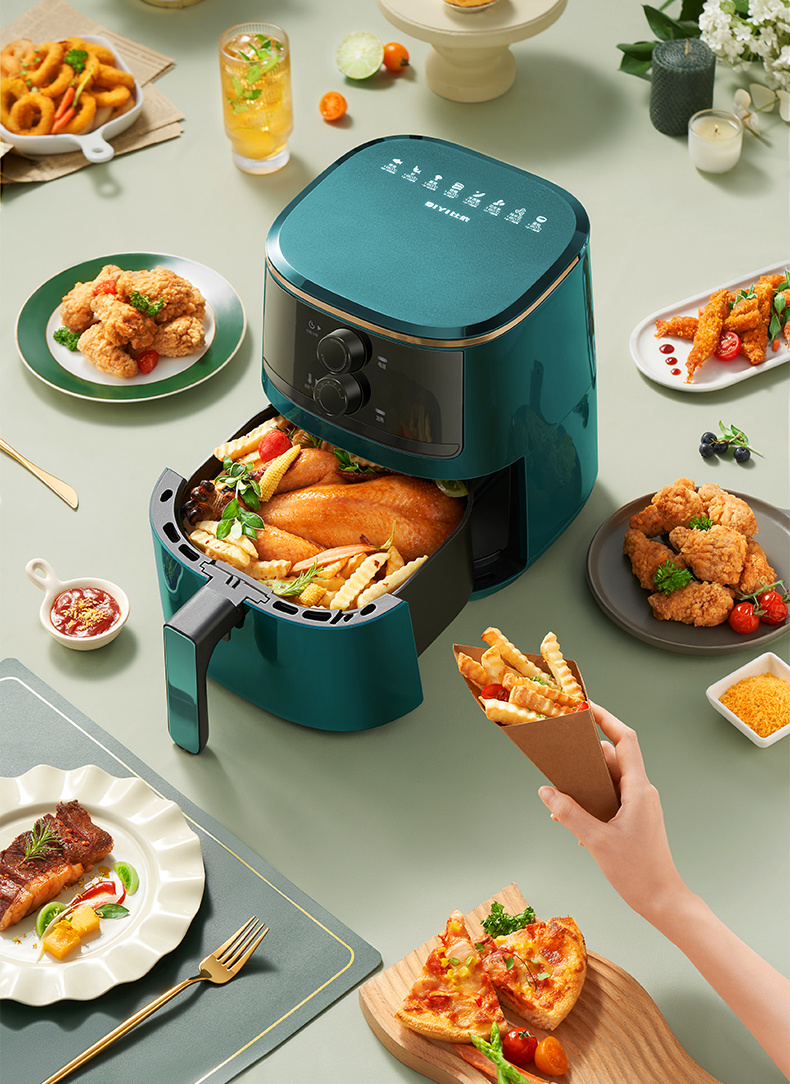
The most annoying thing about cooking in an air fryer is burning food—the outside is blackened, bitter, and hard, while the inside might still be uncooked. It’s a waste to throw it away, but eating it can be harmful to your health. Many beginners complain: “I followed the recipe exactly, so why does it still burn?” It’s not that you’re clumsy; it’s just that you haven’t found the right method. Today, I’ll explain in simple terms the tips for preventing food from burning in your air fryer, from temperature and time to food preparation, teaching you step-by-step to avoid pitfalls, so that everything you cook in your air fryer will taste delicious.Do I need to preheat my air fryer before using it?
First, don’t set the temperature haphazardly; it’s key to err on the side of lower rather than higher. Air fryers heat up very quickly, and too high a temperature is the main cause of burning. Many people think that a higher temperature will cook the food faster, but they end up burning it unintentionally. The correct approach is: for most foods, 160-180℃ is sufficient, such as frying chicken wings, roasting sweet potatoes, and making egg tarts. This temperature range will cook the food thoroughly without burning it. Only when you want an extra crispy exterior, such as when frying French fries or chicken cutlets, should you turn the temperature up to 200℃ for the last 2-3 minutes to “finish” them off. This will ensure they’re crispy but not burnt.What Can an Air Fryer Do That an Oven Can
’
t?
Next is the time. Don’t follow the recipe exactly; adjust it flexibly. Different brands of air fryers have different wattages, and the size and thickness of the ingredients also vary. The time in the recipe should only be used as a reference. For example, if the recipe says 20 minutes for chicken wings, you can set it for 15 minutes first, and check when it’s done. If it’s not cooked, add another 2-3 minutes. If you’re baking a lot of food at once, you can extend the time slightly, but don’t add too much at once, otherwise the outside will easily burn while the inside is still raw. Remember: it’s better to wait a few extra minutes and bake in batches than to set too long a time at once and gamble.Which Air Fryer Basket Material is Best?
Ingredient preparation is also very important; don’t be lazy. First, cut the ingredients evenly. For example, when baking potatoes or carrots, don’t cut some thick and some thin. Thick pieces won’t be cooked through, and thin pieces will burn. Try to cut them into pieces or slices of the same size. Secondly, for ingredients with low moisture content, such as chicken breast and bread slices, brush them with a thin layer of oil or spray them with water before baking to prevent them from drying out and burning. Conversely, for ingredients with high moisture content, such as vegetables and chicken wings with skin, wipe off the surface moisture first, otherwise they will be difficult to cook through, but don’t bake them for too long. Thirdly, don’t put frozen food directly into the air fryer. It’s best to thaw it beforehand, or use the “defrost mode” to process it first. If you bake it directly, the outside will easily burn while the inside is still cold.
Another small detail: don’t pile the food too tightly; leave enough space for hot air to circulate. Air fryers use circulating hot air for heating. If the food is piled up, the hot air in the middle cannot circulate properly, resulting in “burnt on the outside and raw on the inside.” For example, when frying French fries, lay them flat one by one in the basket, don’t let them stick together; don’t stack chicken wings either, baking them in two batches is better than piling them together. Additionally, you can flip the food halfway through baking, such as halfway through cooking. Open the lid and flip the food to ensure more even heating and prevent localized burning.
You can use some “helpful tools” to prevent burning and save time. For example, when baking easily burnt foods like bread slices or small egg tarts, or foods that are prone to sticking, such as fish or steamed eggs, you can line the air fryer basket with aluminum foil or parchment paper. Remember to poke a few small holes in the paper to allow for hot air circulation. This prevents the food from directly contacting the high temperature and burning, and also prevents it from sticking to the basket, making cleaning easier later. However, be careful not to use ordinary parchment paper; use heat-resistant parchment paper, otherwise the parchment paper will burn, causing problems instead.
Finally, the air fryer needs to be cleaned regularly, otherwise, the food will also taste bad and burn. Over time, the heating element and basket of an air fryer will accumulate a lot of oil and food residue. These substances will turn black and burn when heated, and can also stick to new food, causing it to taste bad. Therefore, after each use, clean the air fryer basket and inner pot promptly with a damp cloth. For heavily soiled areas, use a little dish soap to prevent food residue buildup. Additionally, regularly check the heating element. If there are stubborn stains, clean them with a soft brush to ensure even heating and prevent food from burning.
Some might ask, what if I accidentally burn some food? If it’s slightly burnt, you can cut off the burnt parts; the rest is still edible. If it’s severely burnt, don’t worry, just throw it away—it’s not good for your health. Actually, as long as you remember the key points of “low temperature, slow cooking, adjusting in stages, spreading the food evenly, and flipping it halfway through,” you’ll rarely burn food with an air fryer, and even beginners can easily use it.