
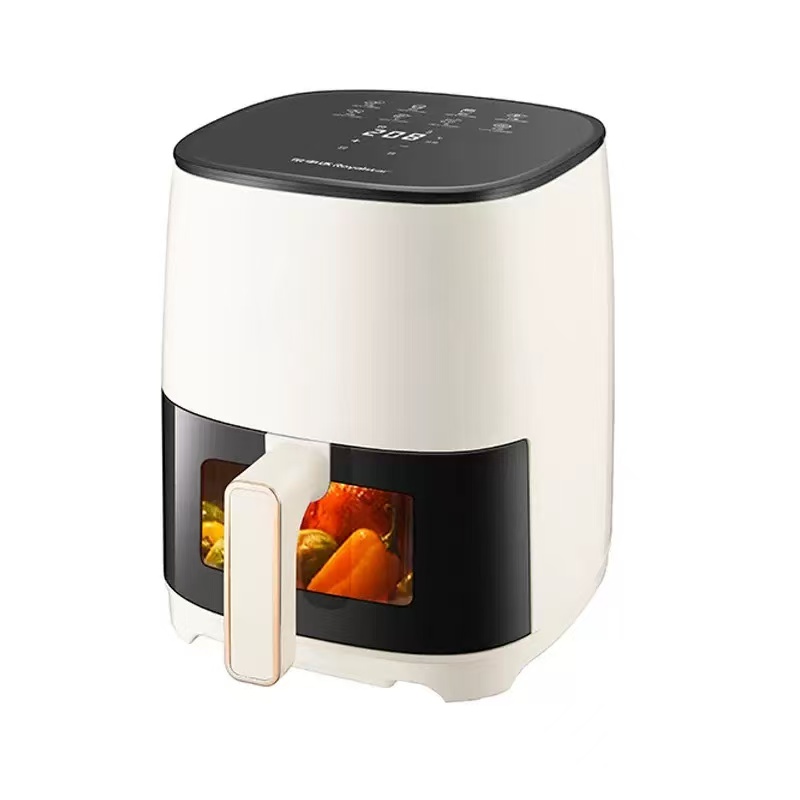
Many people struggle with the question when cooking in an air fryer: should I flip it halfway through? Flipping it seems like a hassle, but not flipping it risks uneven cooking, or even burning. The answer is simple: not all foods need to be flipped; it depends on the type of food. Today, we’ll explain in layman’s terms when you absolutely must flip, when you can skip it, and provide the correct flipping techniques. Even beginners can easily master these techniques to ensure even heating and delicious, unburnt food.How to Prevent Food from Burning in an Air Fryer?
First, let’s discuss situations where flipping is essential. These types of ingredients are prone to burning if not flipped. The first is large, thick-cut ingredients, such as whole chicken wings, chicken legs, thick-cut steaks, and large chunks of sweet potato. These ingredients are large and thick, and while the hot air in the air fryer circulates, it’s difficult for it to penetrate to the center. If you only cook one side, the side closest to the heating element will be cooked through, even burnt, while the other side will still be raw, cold, and hard inside. For example, when grilling chicken wings, if you don’t flip them, the thicker skin side might burn while the other side remains uncooked. Therefore, you must flip them once halfway through.What are the advantages of an air fryer over an oven?
The second type is frozen food, such as frozen fries, frozen chicken nuggets, and frozen fish fillets. Frozen food has a low surface temperature and absorbs a lot of heat initially. If you don’t flip them, the bottom is likely to stick to the frying basket, resulting in a “hot outside, cold inside” situation. Flipping them once allows both sides to fully contact the hot air, resulting in more even defrosting and heating, preventing the awkward situation of one side being crispy while the other is still icy.How to choose the power rating for an air fryer?
The third type is food that easily sticks, such as homemade meat skewers or chicken breast that hasn’t been brushed with oil. These foods lack surface lubrication and easily stick to the frying basket or baking paper. Flipping them halfway through allows you to check for sticking and brush the other side with oil, preventing damage and ensuring both sides are golden brown and flavorful, preventing one side from being dry and the other uncooked.
Finally, let’s talk about situations where you don’t need to flip them. However, messing around with these foods is actually counterproductive. The first type is small, thinly sliced ingredients, such as egg tarts, bread slices, thinly sliced bacon, and small meatballs. These ingredients are small and heat up quickly, allowing the hot air from the air fryer to easily surround them, ensuring even cooking without flipping. For example, when baking egg tarts, flipping them would spill the egg mixture; simply bake them until the time is up, resulting in tender and fragrant tarts.
The second type is liquid or semi-liquid ingredients, such as steamed eggs, cake batter, and pudding. These ingredients solidify upon heating, and flipping them would cause them to crumble, making them inedible. Simply place the container in the center of the air fryer basket, ensuring even heating, and leave it alone; it will set on time with a particularly delicate texture.
The third type is ingredients that contain oil and roll automatically, such as peanuts with skins or small chicken wings (laid loose). During heating, the oil seeps out, and the slight airflow causes them to roll slightly, essentially “automatically flipping” them. No manual intervention is needed, resulting in golden-brown and crispy sides.
Finally, here are a few correct flipping techniques to help beginners avoid common mistakes. First, flip the food midway through cooking. For example, if the recipe calls for 20 minutes, flip after 10 minutes; if it’s 15 minutes, flip after 7-8 minutes. Second, use heat-resistant tongs to flip the food, not your hands, to avoid burns. Be gentle when flipping to avoid breaking delicate items like meat skewers or egg tarts.
Third, you can check the doneness while flipping. If one side seems almost cooked while the other is still raw, turn the uncooked side towards the heating element and cook for a few more minutes. Fourth, don’t flip too frequently; once is enough. Flipping too often will lower the internal temperature of the fryer, prolonging cooking time and causing the food to lose moisture and become dry.
One more tip: regardless of whether you flip the food, spread it evenly in the frying basket. Don’t pile it too high, otherwise, the hot air won’t circulate properly, resulting in uneven cooking even after flipping. If you have too much food, it’s better to cook it in two batches than to pile it all together. Additionally, if you’re unsure whether to flip the ingredients, try using a small amount first. After cooking a few times, you’ll know how to handle each ingredient.